How do pipeline companies minimize their impact on vegetation?
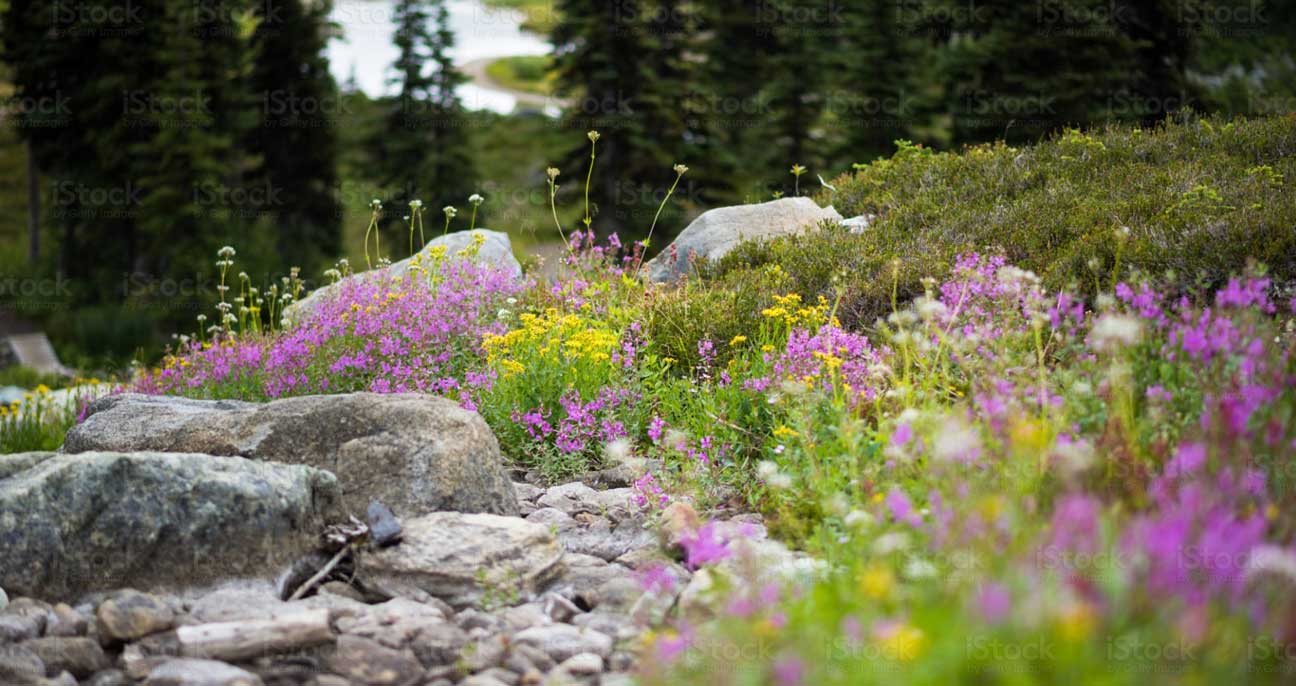
Operators want to have as little impact as possible, so that once a pipeline is in place, there is little evidence it is there. Pipeline operators try to use techniques that will have minimal disturbance on the land, such as plowing. During the construction phase of a pipeline, plant life will be temporarily disturbed, but operators work hard to limit any disturbance – generally the area is fully recovered within five years.
Choosing a route with the least impact
Pipeline operators always conduct an environmental assessment – biologists assess the habitat, including vegetation, along a proposed pipeline route and evaluate the potential environmental effects and risks, and develop mitigative measures.
Native prairie, for instance, is an important habitat for many species, and pipeline operators try to design routes to avoid it.
Pipeline routes try to avoid sensitive habitats, species, soils and terrain.
Creating protection plans
For new pipelines, comprehensive environmental protection plans are developed, outlining measures to protect vegetation. Some of these practices include:
- Scheduling construction around the agricultural growing season
- Following wetland protection guidelines
- Following biosecurity practices, like cleaning equipment prior to working on the site, to avoid introducing a destructive species.
- Identifying how to return the vegetation to as close to its original condition as possible to promote the species returning to the habitat or ecosystem.
Minimizing the impact during construction
During construction, pipeline operators use a variety of methods to reduce impacts to vegetation. This can include directionally drilling under rivers, avoiding sensitive areas and restricting activities to times when the area is the least vulnerable.
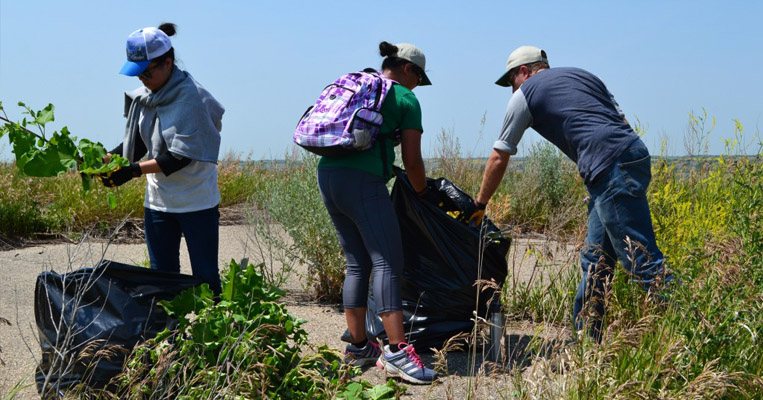
In addition to protecting the native plants, pipeline companies make every effort possible to avoid introducing plants that shouldn’t be there – particularly invasive species that will try to compete with re-vegetation of the native species. Equipment is thoroughly cleaned to avoid spreading unwanted seeds or organisms, and soil is contained within a well-defined area.
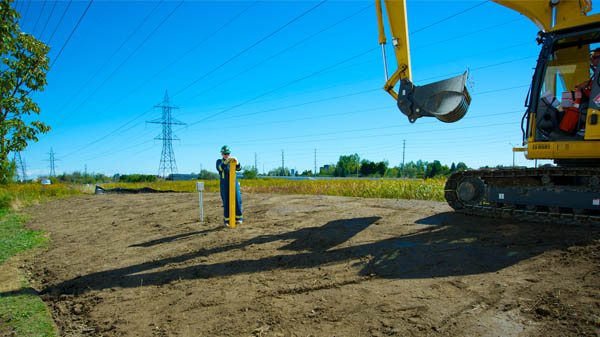
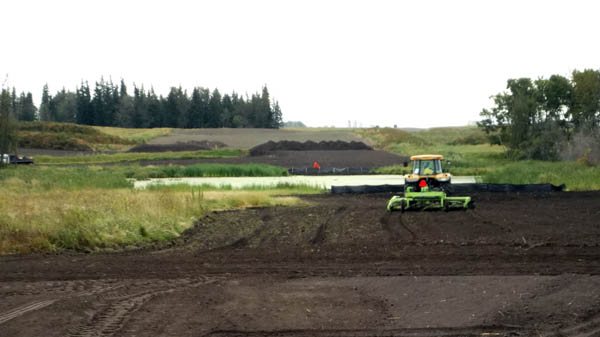
When soil is disturbed, the topsoil is set aside separately from the subsoil, so that the layers can be replaced correctly after construction.
Returning the area to its natural state after construction
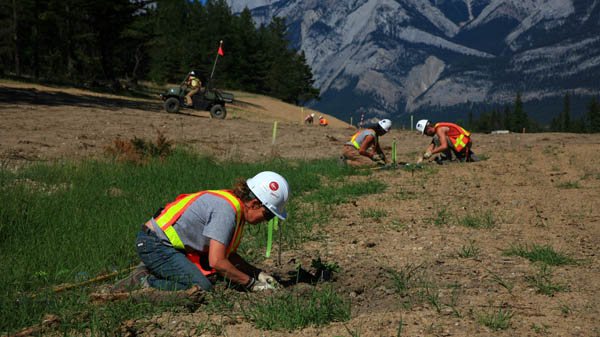
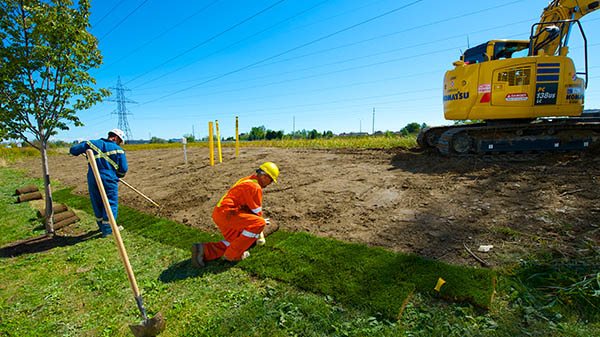
After construction, the land along the pipeline is restored, using plans developed by biologists and agrologists. The original soil is replaced, vegetation is replanted and the right-of-way re-seeded.
Pipeline companies monitor the reclaimed land for years afterward to ensure that the plants have been re-grown and the reclamation has been successful.