What are transmission pipelines?
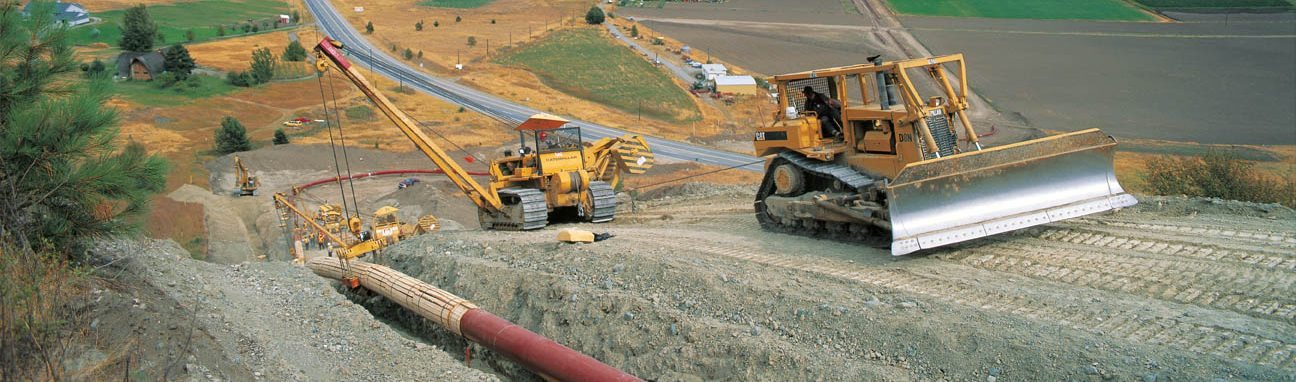
Transmission pipelines are large, underground pipelines that transport oil and gas products over long distances.
Because they are unseen, people may not know much about Canada’s extensive transmission pipeline system and how it’s built, managed and maintained. CEPA members (Canada’s transmission pipeline companies) operate 119,000 kilometres of pipeline in Canada – that’s almost three times the length of our national highway system.
These pipelines transported 1.2 billion barrels of liquid petroleum products and 5.4 trillion cubic feet of natural gas in 2015. CEPA members transport 97 per cent of Canada’s natural gas and onshore crude oil production from producing regions to markets throughout North America. The value of these exports in 2014 was $81 billion.
But how do pipelines touch our daily lives? Seventy-two per cent of the energy Canadians need is supplied by oil or gas, and most of energy is delivered by pipelines. That’s why it’s important to understand their role and how they operate.
In this section
- How do pipelines work?
- What products do pipelines transport?
- How does a natural gas pipeline work?
- How does a liquids pipeline work?
- How is a pipeline route determined?
- How long does it take to build a pipeline?
- How are pipelines operated and maintained?
- What happens when a pipeline is no longer needed?
- Why do spills keep happening?
- Pipelines by the numbers
- How long has the pipeline industry been around?
- Where are transmission pipelines located?