How are leaks detected in an underground pipeline?
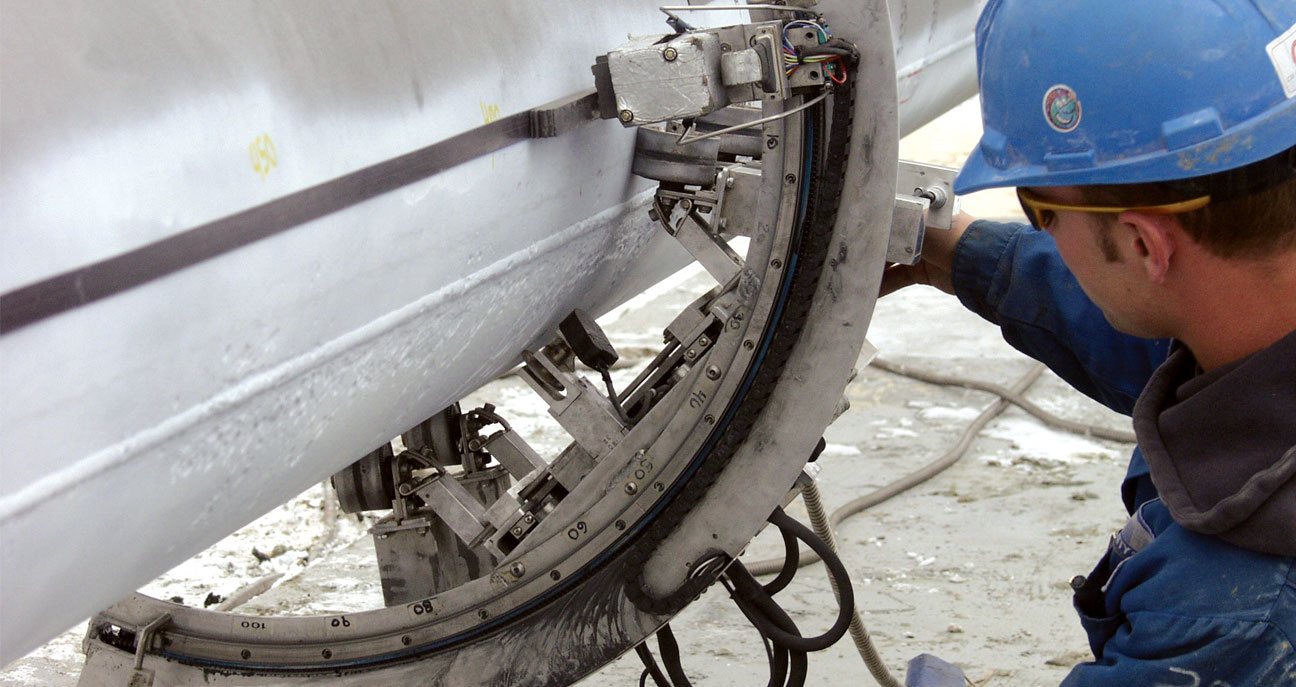
CEPA members use highly sophisticated technologies and practices to detect minute changes in the normal flow of product – a sign that could indicate a leak.
Tracking every metre of pipe
Advanced computer software programs analyze data about a specific pipeline. A profile is created showing how the pipeline performs in normal conditions – flow rate, pressure and temperature – for every metre of pipe. Then if sensors in the pipeline detect a change that differs from this profile, the pipeline can be shut down and inspected.
“If a leak develops, it can be detected faster than it used to be and smaller than they used to be detectable,” said Marian Dudek, a senior manager at Accenture, a CEPA Foundation member and partner in helping improve pipeline integrity.
Detecting invisible vapours that indicate leaks
Specialized video cameras can detect evaporated hydrocarbons through hyperspectral imaging. These cameras are sensitive enough to detect extremely low volumes of evaporated hydrocarbons within a two km radius of the camera.
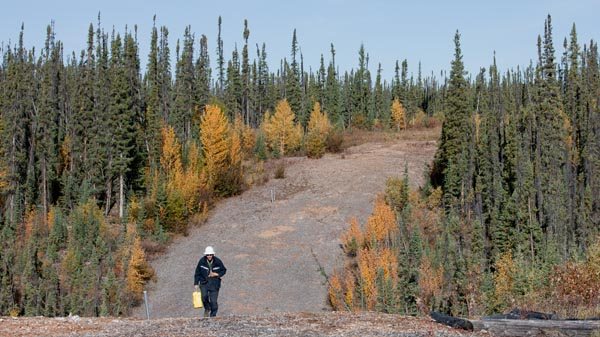
Small leaks cause a detectable change in pressure.
Sensing leaks through pressure changes
Leaks can also be detected through a technique called the “pressure wave method”. Like the ripples that occur when a rock is thrown in a pond, a similar refraction wave is produced when the pressure in a pipeline is reduced because of a leak.
Listening for leaks with acoustic technology
It’s called the SmartBallTM, and it is placed in the pipeline to travel with the flow and listen for leaks. It has an acoustic data system that can detect small, possibly even pinhole-sized leaks.
Releasing the hounds
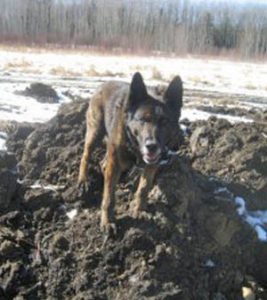
Pipeline operators may use specially-trained dogs to search for leaks. Dogs are wonderful leak detectors, thanks to a nose that no human or machine can match. Their light weight also makes them ideal for even the most environmentally-sensitive areas. They are quite determined, too. Dogs like Max can keep going and going, covering a lot of ground quickly.
A dog’s ultra-sensitive nose can detect leaks that machines can’t.
Creating smart pipe
Scientists are exploring advanced wireless digital sensor technology to actually turn the pipe itself into a sensing device. For example, attaching sensors to a “smart membrane” around a pipeline, which has the ability to sense leaking fluid and signal operators.
Sensing the soil
Another promising use of wireless digital sensor technology is putting sensors in the soil around the pipeline. The same kind of sensors used in humans to detect healing between bones and implants can be used to detect the presence of hydrocarbons in soil. If a pipeline begins to leak, the sensors will detect it and wirelessly send data about the leak’s location to pipeline operators.
Patrolling inside pipelines digitally
Wireless digital sensor technology could also be placed in a pipeline to detect changes to the inside of a pipe. These “mini-pig” sensors can examine the pipeline walls from inside, signaling pipeline operators if anything out of the ordinary is detected. Sensors flowing inside the pipeline can report any potential issues directly to operators.